

Our CMMS Implementation Approach
Our approach is built to make the shift from older maintenance routines into a fully digital, more efficient maintenance management space sort of smooth, without too much disruption.
Requirement review and consultation
First, we take time to understand how you handle maintenance today, your asset set, daily operational friction, and the business goals you care about. Then our specialists do a careful check so we can spot where a CMMS would actually pay off the most, not just where it looks good on paper.
Asset information gathering and system planning
Next, we collect and organize the key details for each asset, like equipment specifics, maintenance history, physical or virtual locations, and operational limits that really matter. This collection basically becomes the groundwork for a CMMS setup that fits real life, not just a slide deck, you know.
CMMS configuration and tailoring
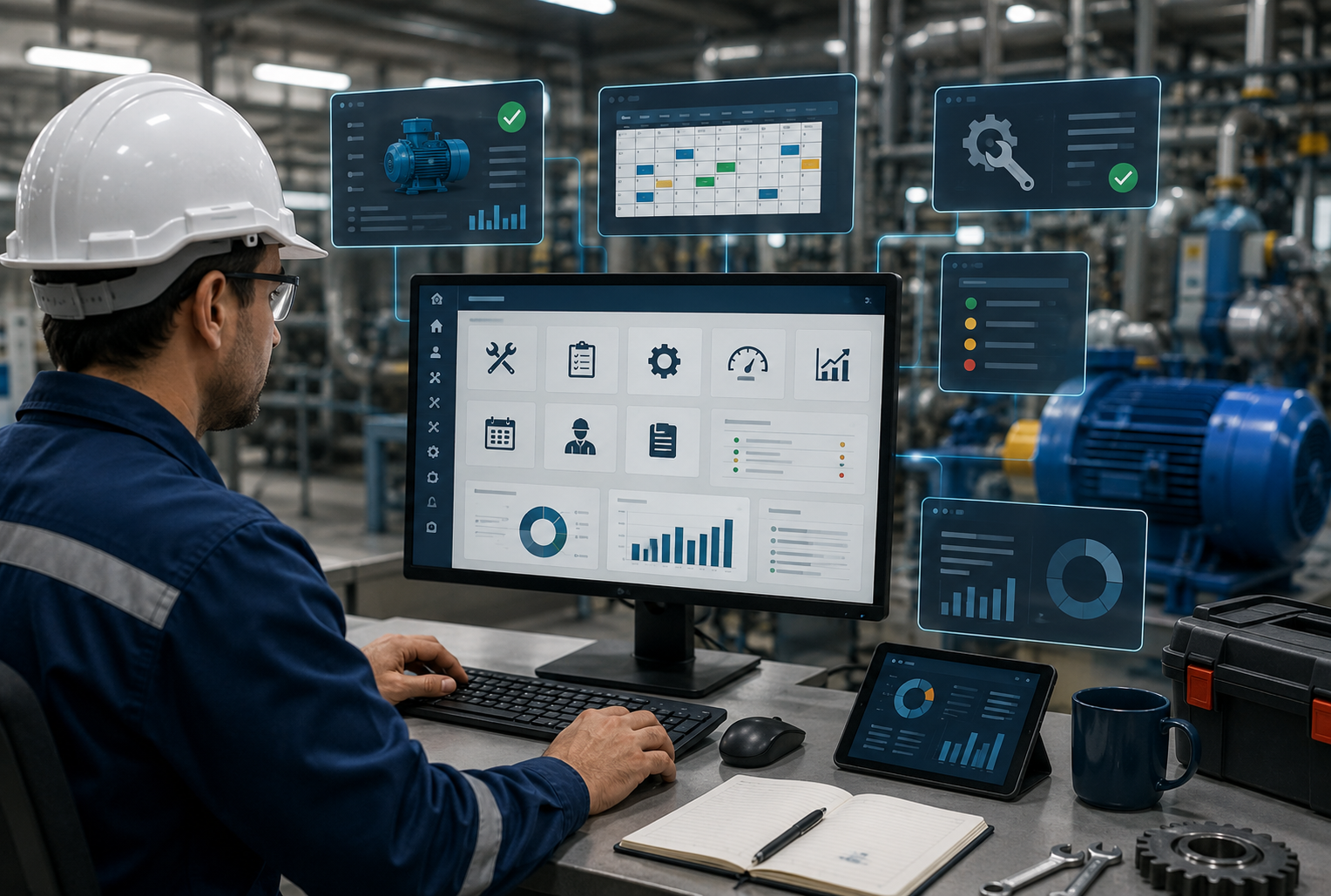
From there we configure the platform around your business requirements. This means we sort out workflows kind of in a clear way, set up maintenance calendars and those recurring schedules, lay down work order procedures, handle user roles and permissions, craft the reporting layouts, and then tweak the notification rules just enough so the right people get the right alerts at the right moment, every single time.
Data migration and system integration
Then we move your current maintenance records in a secure manner, and we link the CMMS with the other systems you already depend on, like ERP tools, inventory management, IoT sensors, and other operational platforms. The goal is to keep the information moving cleanly and consistently, with as little friction as possible.
Training and rollout
After the build process, our team goes ahead and delivers practical training sessions for the maintenance staff, the supervisors, and administrators too. When everyone seems comfortable with the updated flow. Then we roll the system out across the whole organization, not just the pilot crews and things like that.
Ongoing monitoring and improvement
Once it goes live, we keep watching how the system behaves, we review maintenance data trends, and we propose grounded refinements that actually fit. In the end, this helps with stronger asset dependability, better maintenance outcomes, and a calmer route toward long-term operational excellence.